Carry Etiquette: The Quiet Habits of a Considerate Carrier
Carrying responsibly is mostly invisible. It shows up in routines, restraint and respect for the people around you.

Most of what makes someone a responsible carrier never shows. There is no badge for it, and if it is done well, nobody around you will ever know. Carry etiquette is the set of habits and courtesies that keep concealed carry safe, lawful and respectful of the people you share space with. Here is how many experienced, thoughtful carriers approach it.
It begins at home
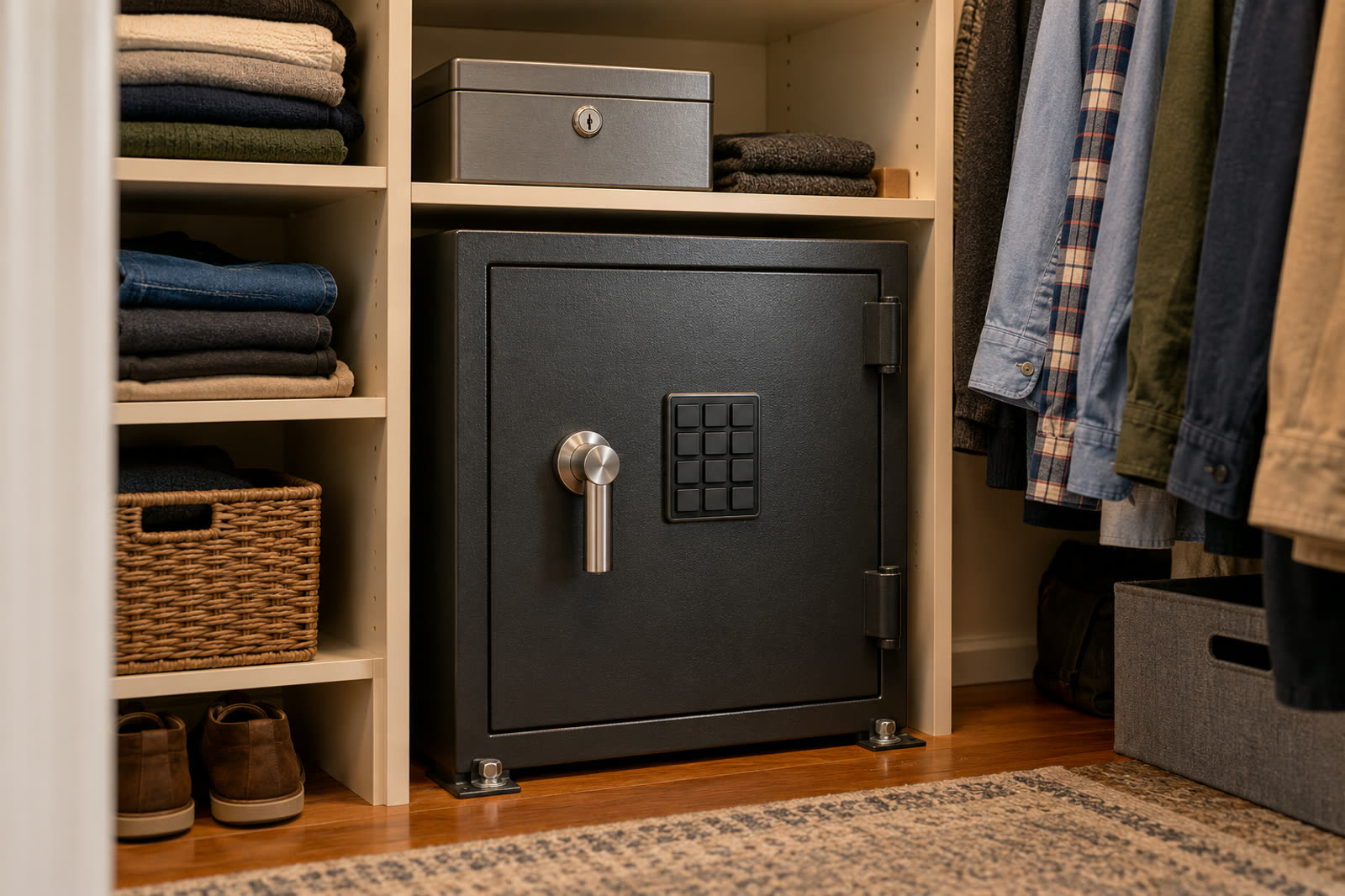
A good carry day starts with a consistent routine. Many people use the same sequence each time: holster on, handgun secured in the holster, clothing checked in the mirror. Doing it the same way every time reduces handling, which reduces the chance of mistakes. The same applies in reverse when you return: a single, deliberate unloading and storage routine, in a secure place, away from children and visitors.
Before you leave, ask yourself where you are going. If your destinations include places where carry is restricted, plan ahead rather than improvising in a parking lot.
Concealed means concealed
The point of concealed carry is that others do not see it. Avoid habits that draw attention:
- No touching or adjusting in public. Repeatedly patting or adjusting your holster signals what is there. If something needs adjusting, find a private place, such as a restroom stall.
- Watch for printing when you bend, reach or sit. Choose clothing that conceals in all of those positions.
- Mind your cover garment. Wind, seat belts and reaching overhead can lift a shirt or jacket.
- Don’t announce it. There is rarely a good reason to tell acquaintances, coworkers or strangers that you are carrying.
Respect the rules of the places you visit
Businesses, workplaces and private homes may have their own policies. How much legal weight a posted sign carries varies from state to state, but whatever the law says, respecting a property owner’s wishes is part of good etiquette. When you visit friends or family, it is courteous to ask whether they are comfortable with you carrying in their home, especially if children live there or visit.
For places where you cannot carry, have a lawful plan, such as secure storage in your vehicle where permitted, rather than bringing the handgun in and hoping no one notices.
Alcohol and judgment
Many states prohibit carrying while under the influence, and some restrict carry in establishments that serve alcohol. Even where the law allows it, combining alcohol with carrying is widely discouraged by instructors. Judgment is the most important safety equipment you have, and alcohol degrades it. A simple personal rule that many carriers adopt: if you plan to drink, don’t carry.
The same thinking applies to anything else that affects your judgment or coordination, including some prescription medications and simple exhaustion.
Restrooms, fitting rooms and other awkward moments
These are the moments that cause most of the embarrassing stories. Never set a handgun on a counter, toilet tank or hook. Keep it holstered and keep the holster attached to your belt, even when your pants are lowered. A sturdy belt and a holster with strong clips make this much easier. In fitting rooms, take a moment to consider whether trying on clothes is wise that day.
Interacting with law enforcement
Some states require you to tell an officer that you are carrying during a stop, and others do not. Know the rule for each state you are in. Whatever the requirement, courtesy and calm go a long way:
- During a traffic stop, turn on the interior light at night, lower the window and keep your hands visible on the steering wheel.
- Follow the officer’s instructions and avoid sudden movements, especially toward the area where your handgun is.
- If you inform, do it calmly and plainly, and ask how the officer would like to proceed.
- Keep your permit with your identification so you can present both without searching.
Avoidance is a skill
Carrying should make you more careful, not more confident in conflict. Responsible carriers go out of their way to avoid arguments, road rage, confrontations over parking spaces and anything else that could escalate. Leaving, apologizing or simply not engaging costs nothing. Many instructors put it plainly: carrying means you have given up the right to win petty disputes.
Children and curious onlookers
Children notice everything. If you carry around kids, be extra careful about printing, about where you set bags and about routines at home. If a child or an adult does notice, stay calm, keep the conversation brief and change the subject if appropriate. You are under no obligation to explain or demonstrate anything.
Keep learning and keep current
Etiquette evolves along with the law. Rules about restricted places, duty to inform and posted signs change over time, so review your state’s current guidance periodically. Ongoing training also builds the calm confidence that makes all of these habits second nature.
Key takeaways
- Use a consistent routine for putting on and storing your handgun to minimize handling.
- Keep it concealed: no adjusting in public and no announcing.
- Respect property owners and plan ahead for places where you cannot carry.
- Skip alcohol when carrying, know the duty-to-inform rule where you are, and always choose to avoid conflict.
This article is general information, not legal advice. Laws vary by state and change over time, so check your state’s current rules with the appropriate official sources, and consult a qualified attorney about your specific situation. Home Guard Journal may receive compensation from partners featured on this site; see our Advertising Disclosure.